Liquid cooling is becoming the baseline for AI-ready infrastructure.
As AI, cloud, and HPC workloads scale, the limits of traditional air cooling are clear. Most data centers were designed for 5–20 kW per rack. But today, hyperscale environments are targeting 40–250 kW per rack, driven by the rapid growth of AI, Machine Learning, and HPC.
The global liquid-cooling market reflects this urgency: projected to surge from $2.8 billion in 2025 to over $21 billion by 2032, with CAGR exceeding 30%. The industry is moving fast because it has to.
Why Air is Falling Behind
Air cooling depends on high volumes of conditioned air, fan power, and aisle containment. Liquids move heat far more effectively. By volume, water carries roughly three thousand times more heat than air for a similar temperature rise, thanks to higher density and specific heat, along with better thermal conductivity. That physics advantage is why operators see lower cooling energy and easier heat transport with liquid.
The economics are compelling. Most systems achieve ROI in just two to four years thanks to lower cooling costs and space optimization. That’s why hyperscalers like Google, Microsoft, and Amazon are already re-architecting their facilities with liquid-ready infrastructure. The gap is widening between leaders who invest now and laggards who delay.
At the same time, AI data center power consumption and energy demand are rising sharply, drawing attention to the sustainability and cost implications of sticking with air.
Cooling Technologies: Direct-to-Chip vs Immersion
Two approaches are dominating deployments:
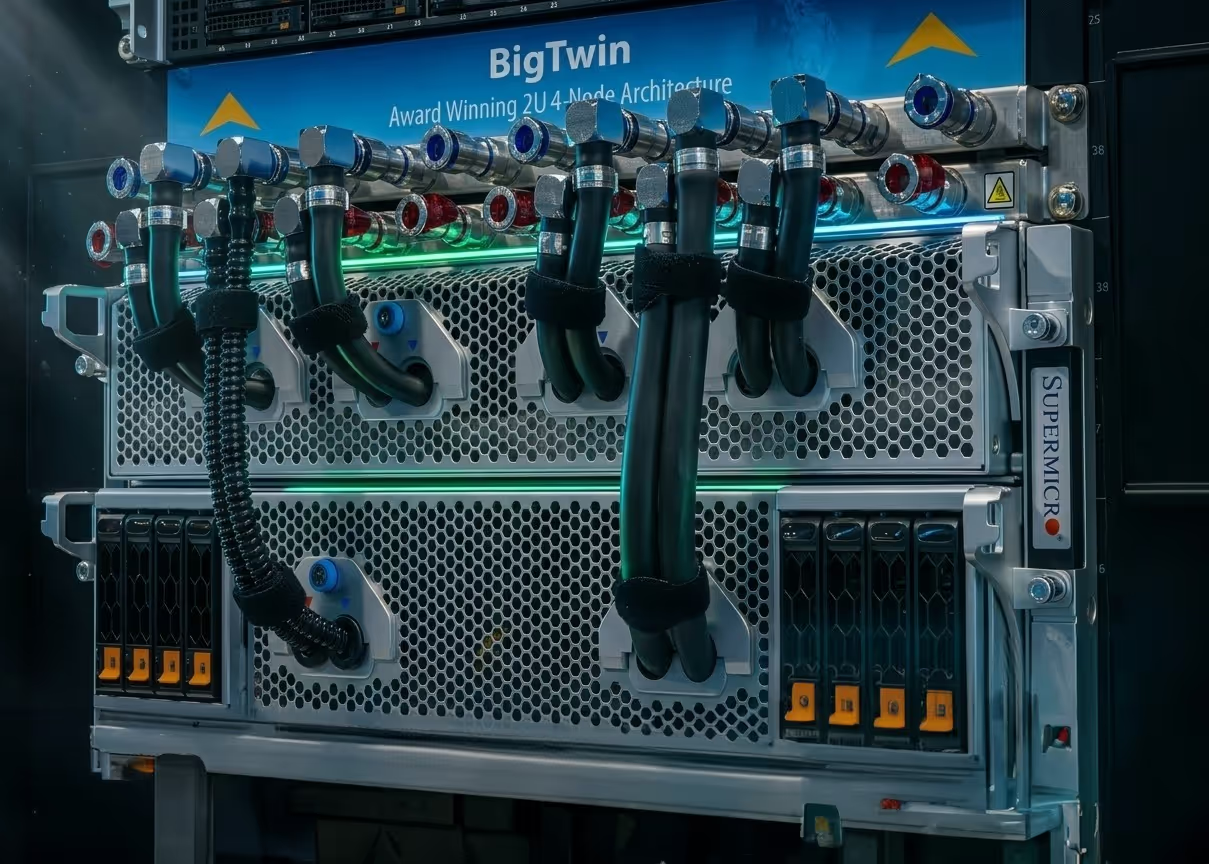
- Direct-to-chip cooling delivers liquid coolant straight to CPUs and GPUs via cold plates. It’s modular, upgrade-friendly, and supports rack densities of up to 250 kW in many modern designs, while removing heat up to 1,000 times more efficiently than air.
- Immersion cooling submerges servers in dielectric fluid, achieving >100 kW per rack and, in some designs, also scaling up to 250 kW. It eliminates fans entirely but typically requires more maintenance and operational oversight compared to direct-to-chip systems.
Both approaches extend hardware life, reduce mechanical complexity, and cut operating costs. The choice depends on your density targets, facility design, and ESG roadmap.
Cooling Approaches Compared
Sustainability and ESG Pressures
The debate around AI data centers and their environmental impact is intensifying. Communities are raising concerns about water usage, pollution, and carbon footprint. Searches for “how much water do AI data centers use” highlight the growing attention on water-intensive cooling methods. Regulators are tightening ESG mandates, and investors are scrutinizing AI data center sustainability when evaluating infrastructure projects.
Closed-loop liquid cooling systems are emerging as the preferred choice. They drastically reduce or eliminate water consumption by recycling coolant within a sealed circuit, mitigating both environmental and regulatory risk. These designs align sustainability goals with operational performance - avoiding the high water draw and waste associated with open-loop or evaporative systems.
Liquid cooling is one of the most effective responses. By slashing energy use, enabling water recycling, and optimizing space, it aligns performance with sustainability. It transforms environmental compliance from a cost burden into a competitive advantage.
Why Timing Matters
Adoption is already underway, but not evenly distributed. Hyperscalers are leading the way. Many enterprises and colocation facilities are still air-cooled, hoping to squeeze one more refresh cycle out of legacy infrastructure. But the physics won’t bend, and neither will ESG timelines.
As AI data center construction accelerates, the next wave of GPUs will require liquid-ready deployments. Those who prepare today will unlock higher capacity, lower costs, and stronger positioning in the green infrastructure narrative. Those who don’t will face efficiency bottlenecks and reputational drag.
Arc Compute’s Role
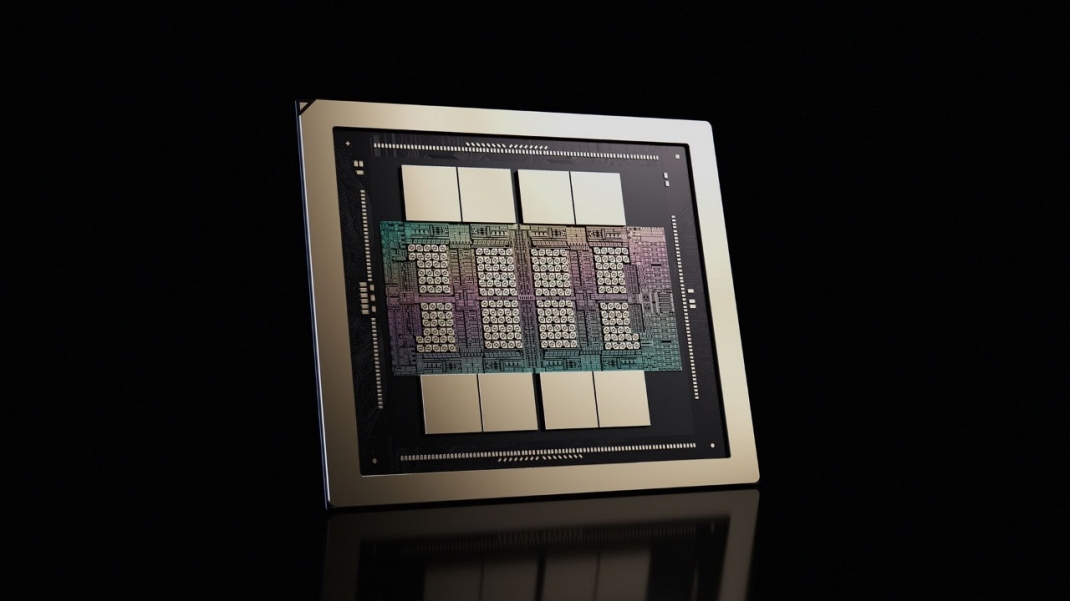
At Arc Compute, we help AI and HPC teams design GPU infrastructure that strikes a balance between performance and sustainability. That means modular, liquid-cooled GPU clusters built around NVIDIA H200, B200, and B300 platforms, engineered for density and efficiency.
Liquid cooling isn’t just better for the environment. It’s becoming the industry standard for serious compute. Talk to us today about how Arc Compute can help you design liquid-ready infrastructure that scales with your AI ambitions and meets tomorrow’s ESG expectations.