AI’s biggest breakthrough won’t be determined by a larger context window or a smarter reasoning engine.
It will be determined by who can keep the lights on.
The industry is obsessed with models, benchmarks, and architectures, but the real AI race has already moved elsewhere. It is no longer a software challenge. It is a battle against the physical world: power grids that can’t keep up, cooling systems hitting thermal walls, land shortages, and silicon supply chains pushed to their limits.
By 2030, global data centers will require an estimated $7 trillion in cumulative investment to maintain current trajectories. About $5.2 trillion of that is earmarked specifically for AI workloads.
Most companies still aren’t ready for what that means.
Here is the reality of the next five years of AI infrastructure.
The Demand Curve Is Vertical
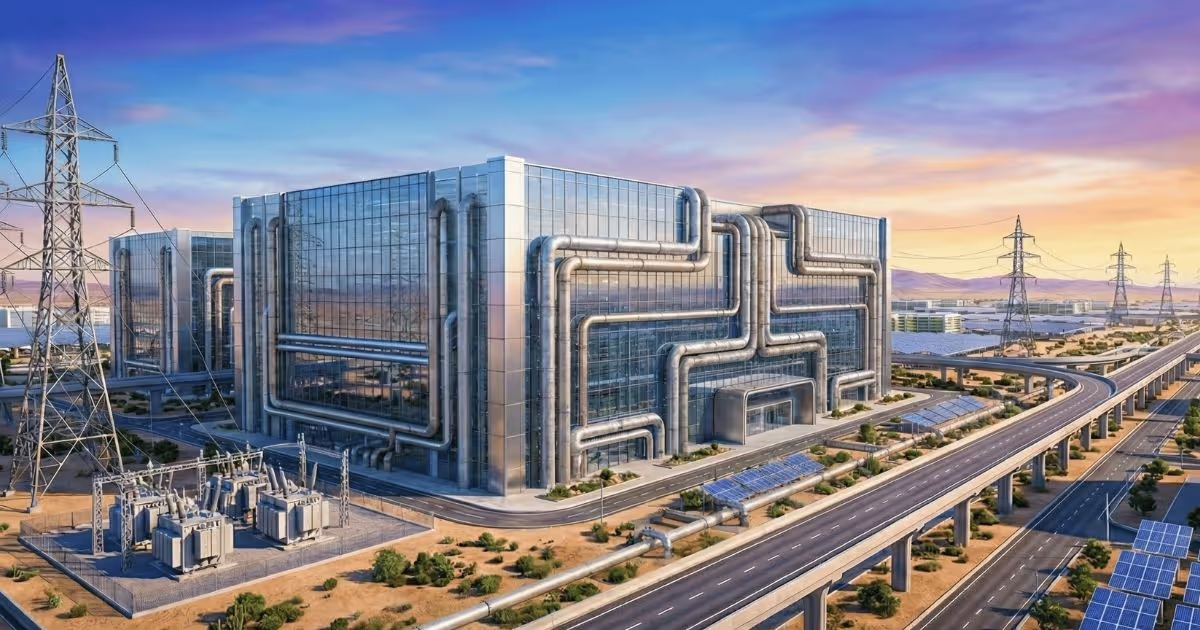
AI workloads are cannibalizing the data center. By 2030, roughly 70% of new capacity will be driven exclusively by AI. Two massive forces are compounding this growth:
1. The "Application Layer" Lag
The real value isn’t the model, it is the workflow. Companies are demanding private LLMs, agentic workflows, and inference at scale. If these use cases stall, demand softens. But if AI embeds into day-to-day operations, as early data suggests, demand will shatter current projections.
2. The Efficiency Paradox
DeepSeek V3 and similar architectures report training cost reductions of approximately 18× and inference reductions of approximately 36× compared to previous dense models.
That sounds like savings, but it isn't.
That sounds like savings, but it isn't.
Just as cheaper storage in the 2000s led to more data, cheaper compute leads to more experimentation. Teams don’t bank the savings. They run more variants and train larger datasets. Efficiency doesn’t lower the bill, it increases the output.
Follow the Money: Where the $5.2 Trillion Is Going
If we examine where that projected AI investment lands, the hierarchy is clear:
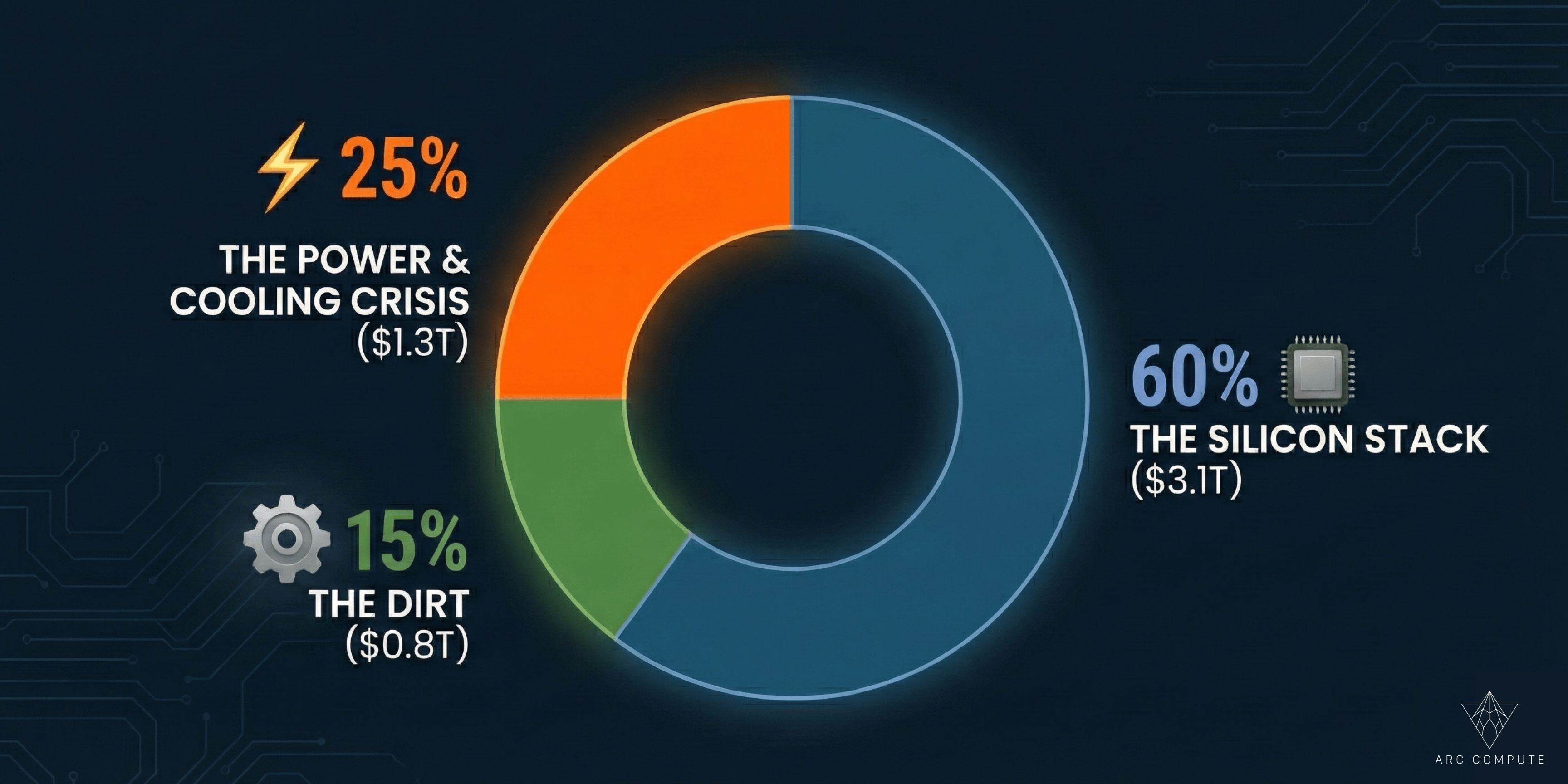
60% — The Silicon Stack ($3.1T)
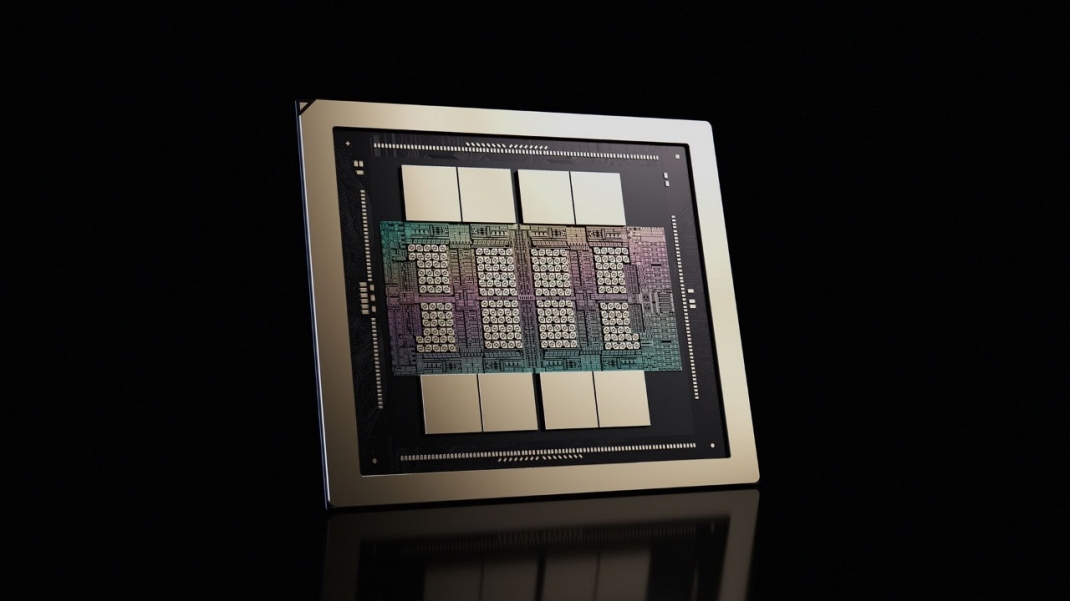
GPUs, HBM memory, NICs, and rack hardware. Supply chain constraints here are structural; even if demand dips, prices remain sticky due to manufacturing complexity.
25% — The Power and Cooling Crisis ($1.3T)
This is the choke point. Racks are jumping from 5 kW to 100–250 kW monsters. Direct-to-chip liquid cooling is no longer exotic; it is mandatory.
15% — The Dirt ($0.8T)
Data centers need land with fiber access, cooling feasibility, and regulatory approval. Power-permitted land is now one of the world’s most valuable real estate classes.
The New Bottlenecks (It’s Not Just GPUs)
Everyone is trying to secure GPU clusters, but the limiting factor has shifted.
1. Power Is the New Gold
You can buy 8 racks of B300 nodes faster than you can secure 10 MW of stable power. In hubs like Northern Virginia and parts of Europe, interconnection queues stretch 3–6 years.
2. The Heat Wall
Air cooling is obsolete for cutting-edge systems. Blackwell and B-series GPUs push thermal densities that air simply can’t handle efficiently. If a facility isn’t plumbed for liquid cooling, it is effectively dead on arrival for next-generation training clusters.
3. The Geopolitical Tax
Tariffs and export controls have turned supply chains into minefields. Anything touching advanced chips or high-voltage power equipment is subject to regulatory volatility.
The Playbook for the Next Decade
The race is no longer about who has the smartest model. It is about who has the plugged-in compute.
Every serious player, from hyperscalers to sovereign AI nations, is following the same rules:
Secure Power First
If you don’t have the megawatts, the silicon is a paperweight.
Build in Checkpoints
No one deploys $500 million blindly. Smart operators scale in phases (5 MW to 20 MW to 50 MW) to avoid stranded assets.
Prioritize Flexibility
The winning facilities are modular and vendor-agnostic. We do not know what model architectures will look like in 2027, so locking into a rigid facility design is a fatal error.
The Bottom Line
Compute demand is decoupling from efficiency gains. Even as models get leaner, usage is exploding. Inference is becoming the dominant cost. Power is becoming the dominant constraint. Liquid cooling is the new standard, but it will take 5–10 years before most data centers are ready.
If you're building in the GPU infrastructure space, the era of cheap, available compute is over.
Conclusion: The Physics Will Decide the Winners
The limits of AI are no longer algorithmic. They are electrical, thermal, and physical.
Efficiency gains won’t soften demand; they will intensify it. The next generation of clusters will require infrastructure that legacy data centers simply weren’t built to support.
The AI race has shifted from intelligence to industrialization.
Companies that succeed will be the ones that understand power, heat, land, and silicon, and can build for a world where all four are scarce.
At Arc Compute, we built our company vision on this reality.
We are developing GPU infrastructure designed for the world as it is: power constrained, thermally demanding, and scaling faster than traditional facilities can keep up.
The world is still talking about code, but the winners of the next decade will be the ones who master the physics.